Quiet Tech Rituals for Everyday Calm

Today we’re exploring Quiet Tech Rituals for Daily Life, turning familiar devices into gentler companions through small, repeatable practices. Expect unhurried mornings, considerate notifications, deeper focus, and evenings that truly wind down. Along the way, you’ll collect humane settings, mindful check-ins, and stories that prove quieter choices still keep you responsive. Try one idea today, observe the ripple, and share your reflections so we can refine these rituals together.

Begin the Day Gently

Give your morning a softer edge by letting technology cue presence instead of pressure. Use light-based alarms, a two-minute breathing bookmark before unlocking, and a single intentional glance at priorities. When devices greet you politely, energy rises steadily, not frantically, helping breakfast tastes linger, conversations land, and your first decision feel already wiser. Reply with your favorite gentle start.
Swap jarring tones for gradual light that mimics dawn, then pair a quiet haptic nudge with three slow inhales. This pairing steadies heart rate, reduces cortisol spikes, and grants you a three-minute margin where gratitude, water, and posture arrive before news, metrics, or pings. Notice how breakfast and posture both improve across one week.
Place a sticky cue near your charger or nightstand: three breaths, then unlock. Each inhale lengthens attention; each exhale releases urgency. In ten days, you may feel fewer reflexive checks, steadier eye contact with loved ones, and clearer choices about what truly deserves your first tap.

Notification Hygiene that Feels Like Fresh Air

Reclaim attention by designing alerts that respect context. Separate real-time human needs from machine updates, funnel most badges into digest summaries, and let critical circles break through with a distinctive tone or haptic pattern. When interruptions align with intention, you answer faster, forget less, and still enjoy long stretches of uninterrupted, satisfying work.

Create tiers of urgency

Sketch three layers: family and teammates; deliveries, appointments, and travel; everything else. Let layer one reach you anytime, layer two only within planned windows, and layer three collect quietly. The moment this map exists, your nervous system recognizes fairness, and your calendar finally becomes a sanctuary again.

Batch the pings into calm windows

Use platform summaries or scheduled digests to arrive at 11:30 and 16:30, when your energy naturally dips. By clustering non-urgent updates, you preserve creative peaks while still honoring inboxes. Most people report fewer phantom vibrations and a surprisingly lighter mood after only three days.

Teach your apps polite manners

Audit settings: disable badges on social icons, remove red counts from email, keep only direct mentions in team chat, and switch news to weekly. Pair the changes with a soft chime for rare, truly high-signal messages. Within a week, your thumb stops chasing dots.

Ninety-minute lighthouse sessions

Schedule two navigational beacons each day, protected by Focus mode and a visible desk timer. Turn off Wi-Fi for drafting, keep a notepad for tempting thoughts, and give yourself a playful checkpoint bell at halftime. You will surface energized, not depleted, with real progress in hand.

Greyscale and minimal home screens

Remove candy colors that bait the midbrain. Switch the display to greyscale during work hours, hide entertainment pages, and surface only two tools on the dock. Decreased novelty invites depth, and your fingers gravitate toward craft, not candy, especially when your wallpaper simply breathes open sky.

Paper bridges for thorny problems

Keep index cards nearby to offload snarled thoughts, sketch diagrams, and capture questions for later research. By resolving ambiguity on paper first, you open fewer tabs, resist context-hopping, and generate clearer prompts for your tools. Surprisingly often, the answer appears before the browser even opens.

Ambient Sound, Light, and Temperature as Allies

Shape your environment so devices whisper rather than shout. Gentle pink noise, warm dimmable lamps, and steady temperatures can lower cognitive load while preserving alertness. Use routines that match circadian phases, and calibrate each element to your tasks. The payoff is fewer jitters, steadier mood, and sustained clarity across the whole day.

Soundscapes that disappear into presence
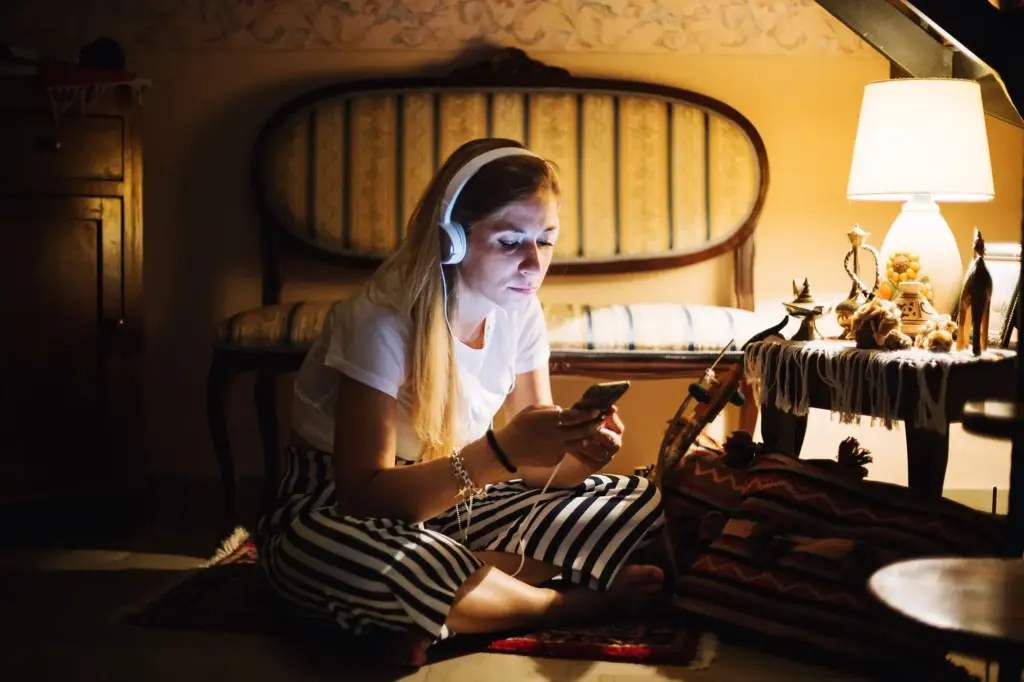
Experiment with brown noise for writing, rustling leaves for reading, or gentle café murmur for administrative work. Keep volume below conversation level and avoid loops shorter than five minutes. When sound supports without performing, your mind stops scanning, and deep attention grows sturdy roots almost effortlessly.

Circadian lighting cues without glare

Use cool, brighter light late morning, then taper into warmer tones by late afternoon. Place lamps to illuminate surfaces, not eyes, and let sunrise simulations win the first hello. These cues reinforce hormonal rhythms gently, helping energy crest naturally and inviting rest without last-minute digital heroics.

Evening Unwind that Truly Powers Down

Treat dusk as a handoff from acceleration to repair. Shift entertainment to e-ink or audio, dim interfaces, and let chargers live outside the bedroom. Close loops with a tiny reflection ritual and pick tomorrow’s anchor. When night welcomes quiet, mornings stop borrowing energy, and sleep becomes your strongest productivity tool.

Small Automations with Big Quiet

Use tiny scripts, filters, and routines that run invisibly, preventing noise before it starts. Location-aware modes, auto-archiving lists, and context-based home screens keep momentum clean without rigidity. Share your favorite shortcut or automation with us; we’ll compile a community library so everyone benefits from your elegant, quiet solutions.

Location-aware attention shields

Let your phone notice when you arrive at the studio, clinic, or classroom, then automatically enable Focus, dim screens, and silence non-essentials. On departure, normal modes return. This reduces forgotten toggles, awkward interruptions, and the subtle decision fatigue that drains spark from your best hours.

An inbox that quietly routes itself

Create rules: receipts to finance, newsletters to a reading stack, CCs to a later review label, and VIPs to a gentle, distinct sound. Add auto-replies during deep work announcing when replies resume. Suddenly, your inbox behaves like a courteous hallway, not an unpredictable crowd.

Routines you can break without guilt

Design automations as friendly defaults, not brittle commandments. Use time-based scenes that glide into place, yet include one-tap overrides for spontaneity and guests. When flexibility is respected, consistency blossoms, because your systems feel like allies rather than judges, and quiet technology remains tenderly human.